
Meet the 48 Teams of World Cup 2026
 Available in US
Forty-eight nations. Six confederations. One trophy. I have spent the past eighteen months tracking every qualifying campaign, every friendly, every tactical shift that brought us to this moment. The 2026 FIFA World Cup field is complete, and what strikes me most is not the presence of giants like Brazil and Argentina — that was inevitable. It is the texture of this tournament: Haiti making their first World Cup appearance since 1974, Scotland returning after a 28-year absence, and a new wave of African and Asian nations demanding respect on football’s grandest stage.
Every World Cup tells a story through its participants. The 2026 edition tells 48 of them. Some are stories of dominance and expectation. Others are tales of improbable qualification runs and communities united by their national team. A few involve painful near-misses that we in Ireland understand all too well after Prague. What follows is my assessment of every team in this tournament — their realistic chances, their key figures, and the narratives that will shape their summer in North America.
We have analysed all of them in our comprehensive World Cup 2026 betting guide.
The Favourites: Teams Expected to Lift the Trophy
I remember standing in a Buenos Aires sports bar when Argentina lifted the trophy in Lusail. The scenes on screen mirrored the chaos around me — decades of pressure released in a single moment. Now that team must prove Qatar was not a one-off. Meanwhile, Brazil continues their own search for redemption after 24 years without a title. France and England enter with squads built for this exact tournament. Spain might have the brightest young talent pool in the competition. These are the nations whose failures would be considered catastrophic — and whose success would confirm what the market already believes.
Brazil carry the weight of history more heavily than any other nation. Five World Cup titles create expectations that border on the unreasonable. Their current squad features Vinícius Júnior at his absolute peak, Rodrygo providing creative support, and a defensive structure that has matured since the Qatar quarter-final exit against Croatia. The head coach has built a team that blends traditional Brazilian attacking flair with European defensive discipline. The Group C draw — Morocco, Scotland, Haiti — presents challenges but should not threaten their progress to the knockout rounds. At 4/1 for the tournament, Brazil represent fair value rather than a bargain, but their path to the final looks cleaner than most competitors.
Argentina defend their crown with a squad in transition. The question dominating every preview is Lionel Messi: will he participate at 38, and if so, in what capacity? Even without their captain, Argentina possess Julian Álvarez, Enzo Fernández, and the emerging talents who won the 2023 U-20 World Cup. Manager Lionel Scaloni has built a team identity that transcends individual brilliance. Group J contains Algeria, Austria, and Jordan — a straightforward path to the Round of 32. The harder question is whether this team can replicate the defensive resilience and knockout composure that defined their Qatar campaign. At 4/1, they sit alongside Brazil as joint-favourites. I view them as marginally shorter value given the uncertainty around their talisman’s fitness and participation level.
France have reached three of the last four World Cup finals. Kylian Mbappé enters the tournament as arguably the best player in the world, supported by a midfield anchored by Aurélien Tchouaméni and an attacking cast that includes Ousmane Dembélé and Marcus Thuram. The squad possesses extraordinary depth at almost every position, with genuine quality options on the bench that would start for most other nations. Group I pairs them with Senegal, Iraq, and Norway. Senegal presents a genuine test given their African Cup pedigree, but France should dominate this group convincingly. Their 5/1 price reflects both their quality and the historical difficulty of winning consecutive World Cups. Only Brazil from 1958 to 1962 and Italy from 1934 to 1938 have achieved that feat in the modern era.
England have assembled perhaps their most talented squad in generations. The emergence of Jude Bellingham as a genuine superstar alongside established names like Harry Kane, Bukayo Saka, and Phil Foden creates attacking options that previous England managers could only dream about. The defensive concerns that plagued their Euro 2024 campaign have been partially addressed, though tournament football always exposes vulnerabilities that friendlies conceal. Group L contains Croatia — a rematch of the 2018 semi-final heartbreak — alongside Ghana and Panama. England should progress comfortably as group winners, but their knockout draw places them on a potential collision course with Argentina or Brazil by the quarter-finals. At 6/1, England offer some value if you believe this is finally their moment to end 60 years of hurt.
Spain present the most intriguing case among the elite contenders. Their Euro 2024 triumph showcased a generational shift that has accelerated rather than stabilised since that tournament. Lamine Yamal enters at just 17 as one of the most exciting prospects in world football, Pedri controls midfield tempo with an authority beyond his years, and Nico Williams provides width and directness that previous Spanish teams lacked. This team plays the most aesthetically pleasing football anywhere in the world, pressing relentlessly and passing through opponents rather than around them. Group H includes Uruguay — a stern test from a nation with rich World Cup history — alongside Cape Verde and Saudi Arabia. Spain’s 7/1 price reflects both their undeniable quality and the uncertainty inherent in such a young squad lacking major tournament experience. Whether Spain’s teenage phenoms can handle the pressure of knockout football against battle-hardened opponents remains the defining question of their campaign.
Dark Horses and Genuine Contenders
The bookmaker’s favourite list does not tell the complete story. Every World Cup produces at least one team from outside the top five that reaches the semi-finals and disrupts everyone’s accumulators. Croatia did it in 2018 and again in 2022. Morocco did it spectacularly in Qatar, defeating Belgium, Spain, and Portugal before falling to France. This tournament’s 48-team format creates additional opportunities for established football nations who sit just below the elite tier but possess the quality to beat anyone on their day.
Germany have not won a knockout match at a major tournament since 2016. That statistic alone should give pause before backing them. Yet this remains a football nation with extraordinary resources, the most competitive domestic league in Europe, and a squad featuring Jamal Musiala, Florian Wirtz, and a defensive structure that improved dramatically during their home Euro 2024 campaign. The tournament ended in quarter-final heartbreak against Spain, but the performances suggested a team rediscovering itself after years of decline. Group E contains Côte d’Ivoire, Ecuador, and Curaçao — a draw that should allow Germany to progress comfortably while building momentum and confidence. Their 12/1 price assumes they have corrected the knockout-stage vulnerabilities that have defined recent tournaments. That assumption requires a leap of faith I find difficult to make, but the talent undeniably exists.
Portugal benefit from exquisite timing. The Cristiano Ronaldo era has effectively concluded for major tournament football, allowing a new generation to emerge without the tactical constraints his presence often imposed. Bernardo Silva orchestrates play from midfield, Bruno Fernandes provides creativity and set-piece quality, Rafael Leão offers explosive pace, and João Félix creates moments of individual brilliance. Their qualifying campaign under manager Roberto Martínez produced the best defensive record in Europe — just two goals conceded across ten matches. Group K contains Colombia, DR Congo, and Uzbekistan. Colombia presents a serious challenge given their South American qualifying form, but Portugal should top this group. At 16/1, they represent genuine value. The knockout bracket places them on the opposite side from Argentina and Brazil until a potential final. If any second-tier favourite is poised to break through, Portugal have the squad composition and tactical structure to do it.
Netherlands have underachieved at every major tournament for a decade. Third place in 2014 remains their best result since losing the 2010 final to Spain. Yet the current squad possesses individuals of extraordinary quality: Virgil van Dijk commands the defence with authority that stabilises everyone around him, Frenkie de Jong orchestrates midfield when fit, and a new wave of attacking talent provides options that manager Ronald Koeman has struggled to fully harness. Group F pairs them with Japan, Sweden, and Tunisia — a deceptively difficult quartet that could expose Dutch vulnerabilities. Japan upset Germany in 2022 and have continued improving rapidly. Sweden remain competitive despite their ageing core. Tunisia defend stubbornly and create problems in transition. At 14/1, Netherlands require you to believe this underachieving generation will finally deliver on the grandest stage. I remain sceptical but acknowledge the talent exists if Koeman finds the right formula during the tournament’s progression.
Belgium’s “golden generation” face one final opportunity to deliver the trophy their talent has promised for a decade. Kevin De Bruyne enters what is almost certainly his last World Cup still performing at an elite level with Manchester City. Romelu Lukaku, despite his critics and loan moves, remains a goal-scoring threat at the highest level when deployed correctly. The supporting cast has weakened — Eden Hazard’s retirement leaves a creative void that younger players have not fully filled — but talents like Jérémy Doku and Lois Openda provide energy and directness. Group G contains Egypt, Iran (whose participation status remains formally uncertain pending FIFA confirmation), and New Zealand. Belgium should dominate this group regardless of Iran’s ultimate status. At 20/1, they offer value if you believe this team has one more deep tournament run remaining. I suspect the psychological weight of previous tournament failures — the 2018 semi-final loss to France, the 2022 group-stage elimination — will prove decisive, but backing Belgium to reach the semi-finals at shorter odds makes sense given their group-stage path.
Uruguay always seem to over-deliver at World Cups relative to their population and resources. Four million people producing two World Cup titles and four semi-final appearances in the modern era defies conventional football logic. The current squad blends experienced tournament performers — Luis Suárez potentially appearing in his farewell campaign — with exciting young talents like Darwin Núñez and Federico Valverde who have matured significantly since Qatar. Group H pairs them with Spain, Cape Verde, and Saudi Arabia. Spain should win the group, but Uruguay are capable of finishing second and advancing to face weaker opposition in the Round of 32. At 25/1, Uruguay represent a speculative punt for punters who believe this squad can channel the nation’s historical tournament pedigree into another deep run.
Scotland: The Homecoming After 28 Years

On a November evening in Oslo, Scotland secured their place at the 2026 World Cup with a 2-1 victory over Norway. I watched from a pub in Dublin surrounded by Irish supporters who cheered every Scottish goal. That scene will repeat across Ireland this summer. With our own team absent after the Prague penalty heartbreak against Czechia, Scotland become the Celtic standard-bearer — and their Group C draw makes their campaign genuinely compelling for neutral and invested observers alike.
The facts are stark: Scotland last appeared at a World Cup in France 1998. An entire generation of Scottish supporters has never experienced their nation at football’s greatest tournament. Manager Steve Clarke has constructed a team built on defensive organisation, work rate, and the exceptional individual quality of players competing in the English Premier League and across European leagues. Andy Robertson at Liverpool, Scott McTominay now at Napoli after his Manchester United move, John McGinn at Aston Villa — these are players who perform against elite opposition week after week. The squad lacks a genuine world-class striker, but Che Adams and Lawrence Shankland provide honest endeavour and sufficient goal-scoring threat at the highest level.
Group C presents a fascinating challenge. Brazil will top the group — that outcome is essentially guaranteed barring catastrophe or injury crisis. Morocco, the 2022 semi-finalists who defeated Belgium, Spain, and Portugal in Qatar, have reinforced their squad and represent Africa’s strongest contender. Haiti, making their first World Cup appearance since 1974, are significant underdogs but possess talents developed in the French football system who should not be dismissed entirely. Scotland’s path to qualification requires finishing in the top three — and with eight third-placed teams advancing, finishing third behind Brazil and Morocco would likely suffice.
The schedule works in Scotland’s favour. They face Haiti first, then Morocco, then Brazil. Beating Haiti — the most winnable fixture — and securing a point against Morocco would leave Scotland on four points before their final match. Four points historically guarantees advancement as one of the best third-placed teams. Even a heavy defeat to Brazil would not eliminate them if they have accumulated sufficient points from the first two matches. The mathematics favour Scottish qualification more than the raw group composition might suggest.
For Irish punters, Scotland represent an emotional hedge against our own absence from this tournament. Steve Clarke has built a team that mirrors what Irish supporters hoped our own team could become — pragmatic, defensively solid, with sufficient attacking quality to punish opponents on the counter. Every Scottish goal will feel partially ours. Every Scottish victory will carry vicarious satisfaction. At 50/1 to win the tournament outright, Scotland are obviously not realistic title contenders. But backing them to escape the group at 4/6, or to reach the Round of 16, offers engagement with the World Cup that our own team’s failure has denied us.
The Newcomers: First-Time and Returning Nations
Every World Cup expansion brings new faces to football’s global conversation. Haiti’s return after 52 years headlines this category, but the 48-team format has also created pathways for nations who have qualified before but spent decades outside the tournament’s main stage. These teams will not win the World Cup. What they represent is something different: the globalisation of football reaching places where qualifying for this tournament means more than any trophy ever could.
Haiti carry the weight of a nation on their shoulders. Their 1974 World Cup appearance ended in group-stage elimination after losses to Italy, Poland, and Argentina, but the cultural impact of that participation shaped Haitian football for generations. The current squad features players from French football — several with Ligue 1 and Ligue 2 experience — and a tactical approach that has evolved significantly from the one-dimensional teams of previous qualifying cycles. Group C’s draw against Brazil, Morocco, and Scotland represents an enormous challenge that makes realistic progression unlikely. Any points Haiti take from this group would be celebrated as a national triumph. A goal against Brazil at the Estadio Azteca or any of the North American venues would enter Haitian sporting folklore permanently.
Curaçao represent another Caribbean success story, though their path to qualification came through CONCACAF’s expanded allocation rather than a traditional powerhouse route. With a population under 150,000, Curaçao are the smallest nation at this World Cup by a significant margin. Their squad features players from the Dutch football system, many with ancestral ties to the island nation and experience in the Eredivisie and lower Dutch leagues. Group E pairs them with Germany, Côte d’Ivoire, and Ecuador — a draw that offers little realistic hope of advancement but provides three matches on the world’s biggest stage that will be remembered for generations.
Jordan qualify for their first World Cup after years of near-misses in Asian qualification. Their defensive organisation during the final round of qualifying — conceding just three goals across six matches — suggests they will not embarrass themselves in Group J against Argentina, Algeria, and Austria. Jordan’s football culture has grown significantly over the past decade, with increased investment in youth development and professional infrastructure. A credible World Cup performance that avoids heavy defeats could accelerate that progress further and establish Jordan as a consistent Asian qualifier.
Uzbekistan also make their debut after finally breaking through Asian qualification barriers that had frustrated them for multiple cycles. Their squad combines experienced domestic-league performers with a growing number of exports to European football, particularly in Russia and other Eastern European leagues. Group K pairs them with Portugal, Colombia, and DR Congo — a challenging but not entirely impossible draw. Finishing third in this group is theoretically achievable if Uzbekistan can take points from DR Congo and compete competitively against Colombia. The nation’s football federation has invested heavily in this moment, and their supporters will travel in significant numbers to the North American venues.
Cape Verde represent Africa’s newest World Cup entrant and one of the smallest nations by population ever to qualify for this tournament. Their squad features players from Portuguese and Belgian leagues, several of whom could secure moves to bigger clubs if they perform well at this tournament. Group H contains Spain and Uruguay alongside Saudi Arabia — a draw that realistically limits Cape Verde to fourth place but provides matches that will captivate their small Atlantic island nation and the global Cape Verdean diaspora.
The Hosts: USA, Mexico and Canada
For the first time in World Cup history, three nations share hosting duties. This arrangement creates unique dynamics: each host nation will play group matches on home soil, benefiting from crowd support and eliminated travel fatigue that other teams must manage. The sporting implications are significant. The cultural implications might be even larger — North American football receives unprecedented exposure across 39 days of tournament action that could permanently shift the continent’s sporting landscape.
USA carry the heaviest expectations among the three hosts. Their squad has developed dramatically since the Qatar 2022 showing, where they exited in the Round of 16 against the Netherlands after a competitive but ultimately outclassed performance. Christian Pulisic remains the headline name and has become more consistent in his production since joining AC Milan. Gio Reyna has matured physically and technically, Weston McKennie provides midfield industry, and Tyler Adams anchors the defensive line. The defence has matured considerably, and goalkeeper Matt Turner provides reliable shot-stopping for a team that concedes limited clear chances. Group D pairs the USA with Paraguay, Australia, and Turkey. All three opponents are beatable, but Turkey in particular will provide a stern test given their European qualification performance. At 20/1 to win the tournament, USA are priced optimistically — but home advantage in knockout matches could carry them to a semi-final that would transform American football culture permanently.
Mexico open the entire tournament against South Africa at the Estadio Azteca on 11 June. The atmosphere will be extraordinary — 87,000 supporters at altitude in the world’s most iconic football stadium creating an environment unlike anything else in football. Mexico’s squad features a blend of Liga MX stalwarts and European-based players, with their attacking options remaining their strongest suit. Hirving Lozano provides pace, Edson Álvarez anchors midfield, and the depth throughout the squad has improved since their disappointing Qatar campaign. Group A contains South Korea, South Africa, and Czechia — a draw that should see Mexico progress as group winners without significant drama. Their ceiling is probably the quarter-finals, where they have traditionally failed in every World Cup since 1986. Breaking the “quinto partido” curse — the inability to win a fifth consecutive World Cup match — has become a national obsession. At 33/1, Mexico represent a home-advantage punt for punters who believe this tournament’s unique structure might finally break that pattern.
Canada return to the World Cup for the first time since 1986 and their first appearance with a genuinely competitive squad that can expect to win matches. Alphonso Davies remains their headline star, operating at full-back with the pace and skill that made him invaluable to Bayern Munich. Jonathan David’s goal-scoring has continued at impressive rates in Ligue 1, and the general improvement of Canadian football development across MLS and European leagues has created a squad capable of competing at this level. Group B pairs them with Switzerland, Bosnia and Herzegovina, and Qatar — a draw that demands competence rather than brilliance. Canada should progress, potentially even as group winners if they handle the pressure of home expectation and the weight of the occasion. At 66/1, they are long shots for tournament success but could provide excellent value in group-stage markets for qualification and group winner odds.
Africa’s Six: From Morocco’s Legacy to New Faces
Morocco’s 2022 semi-final changed African football’s global perception permanently. For the first time, a CAF nation reached the final four through footballing merit rather than fortunate draws or collapsed opposition. The Atlas Lions return to North America as serious contenders for another deep run, supported by five fellow African qualifiers who carry their own ambitions for this tournament’s expanded format.
Morocco’s squad has strengthened since Qatar. Achraf Hakimi remains one of the world’s premier full-backs, combining defensive solidity with attacking thrust that destabilises opponents. Hakim Ziyech and Sofiane Boufal provide creative spark that unlocks defences in tight matches. The defensive unit that conceded just one goal in five knockout matches in Qatar — and that goal came from an own goal — has been maintained and improved. Group C’s draw against Brazil, Scotland, and Haiti presents challenges, but Morocco should finish second comfortably and face a manageable Round of 32 opponent from the weaker half of the bracket. At 33/1, Morocco offer value for punters who believe their 2022 run reflected genuine quality rather than circumstance. I lean toward the former view based on their consistent performance levels since Qatar.
Senegal carry Africa’s other genuine contender status into this tournament. Their Africa Cup of Nations victory in 2022 and continued qualification success confirm their position as the continent’s most consistent performer outside North Africa. Sadio Mané’s fitness concerns create uncertainty around their attacking output, but Ismaila Sarr and Nicolas Jackson provide alternatives who have performed well at club level. Group I pairs them with France, Iraq, and Norway. Finishing second behind France is achievable; an upset victory against Les Bleus in their opening match would announce Senegal’s ambitions dramatically and throw Group I into chaos.
Côte d’Ivoire won the Africa Cup of Nations on home soil in 2024 after a turbulent group stage that nearly eliminated them before their remarkable recovery. That experience — losing early then summoning the resilience to win the tournament — has created a squad with unusual psychological strength. Group E contains Germany, Ecuador, and Curaçao. Côte d’Ivoire should compete for second place in this group, with their 100/1 price reflecting realistic assessment of their knockout potential rather than disrespect.
Egypt rely heavily on Mohamed Salah, but their supporting cast has improved through increased European exposure for younger players across various leagues. Group G pairs them with Belgium, Iran, and New Zealand — a draw that makes second place achievable if they can match Belgium’s quality in their head-to-head fixture. Ghana face a tougher challenge in Group L against England, Croatia, and Panama, but their tournament experience and attacking quality could produce upsets that disrupt European opponents. DR Congo complete Africa’s sextet, facing a difficult Group K against Portugal, Colombia, and Uzbekistan that makes advancement unlikely but not mathematically impossible.
Asia’s Contenders: Japan, South Korea and Beyond
Japan have earned respect at recent World Cups through results rather than rhetoric or potential. Victories over Germany and Spain in Qatar’s group stage announced their arrival as genuine competitors against European elite. The current squad maintains and builds upon that quality: players scattered across European leagues in the Bundesliga, Premier League, and Serie A provide tactical flexibility that confuses opponents, and a collective work ethic that never diminishes regardless of scoreline makes them difficult to break down. Group F pairs them with Netherlands, Sweden, and Tunisia. This is a group Japan can realistically win. Finishing second, at minimum, should be expected given their performance levels. At 50/1, Japan represent a speculative outright punt for believers, but their quarter-final chances are genuine based on the bracket structure.
South Korea face host nation Mexico in Group A alongside South Africa and Czechia. Their European-based core — including Son Heung-min potentially in the twilight of his career at 33 — provides quality that should secure second place behind Mexico. Whether they can progress beyond the Round of 32 depends on their knockout draw and Son’s fitness throughout the tournament, but Korea have demonstrated tournament competence consistently across the past two decades.
Australia qualified through a difficult pathway that tested their squad’s resilience. Group D against USA, Paraguay, and Turkey represents a challenging but not impossible draw. The Socceroos have Premier League representation in their squad and a fighting spirit that has characterised their recent tournament appearances, including the Round of 16 run in Qatar. Saudi Arabia return after their famous 2022 victory over Argentina in the group stage, though their subsequent group-stage exit tempered immediate enthusiasm. Group H against Spain, Uruguay, and Cape Verde provides another opportunity to create a moment that transcends football.
Iran’s participation remains formally confirmed by FIFA, though geopolitical uncertainty continues to create headlines. Their squad features experienced players from Iranian and European leagues who would compete strongly if the team participates. Qatar provide intriguing Asian representation in Group B alongside Canada, Switzerland, and Bosnia and Herzegovina — a group where their 2022 hosting experience provides some psychological advantage. Iraq return to the World Cup after years of absence, facing a daunting Group I with France, Senegal, and Norway that will test their defensive organisation severely.
The Long Shots: Every Underdog Has a Story
The bottom half of the betting market contains teams who will not win the World Cup. That statement requires no qualification — at 500/1 or 1000/1, the mathematics make tournament victory essentially impossible. Yet these teams provide the texture that makes World Cups memorable. Their victories become the upsets that define groups. Their performances inspire generations of young players in nations where football infrastructure remains developing. Their supporters create atmospheres that rival any in world football.
Panama return to the World Cup after their debut in 2018, where they lost all three matches but scored a goal against England that produced nationwide celebration disproportionate to its sporting significance. Group L against England, Croatia, and Ghana represents another challenging draw where avoiding defeats might prove difficult, but Panama’s defensive organisation has improved since their last appearance. A single point would represent significant progress and national celebration.
New Zealand qualified through the Oceania pathway and face Group G opponents Belgium, Egypt, and Iran. Their squad features players from Australian A-League and American MLS, with limited European exposure. Avoiding heavy defeats would represent success; a point against any opponent would be celebrated. Bosnia and Herzegovina bring European qualification pedigree to Group B, where Switzerland and Canada represent beatable opposition. Switzerland themselves could progress far in this tournament given their tactical discipline and tournament experience.
Paraguay, Algeria, Austria, Tunisia, Ecuador, Norway, and others fill out the field with teams of varying quality and tournament experience. Some — like Ecuador and Tunisia — possess genuine knockout-stage potential if draws favour them. Others — like Algeria and Austria — could upset fancied opponents on their day but lack the consistency required for deep tournament runs. The expanded format means more of these matches genuinely matter for qualification purposes. In previous tournaments, third-placed teams were eliminated automatically. Now, those third-place finishes often mean advancement to the knockout rounds.
Forty-Eight Roads to MetLife
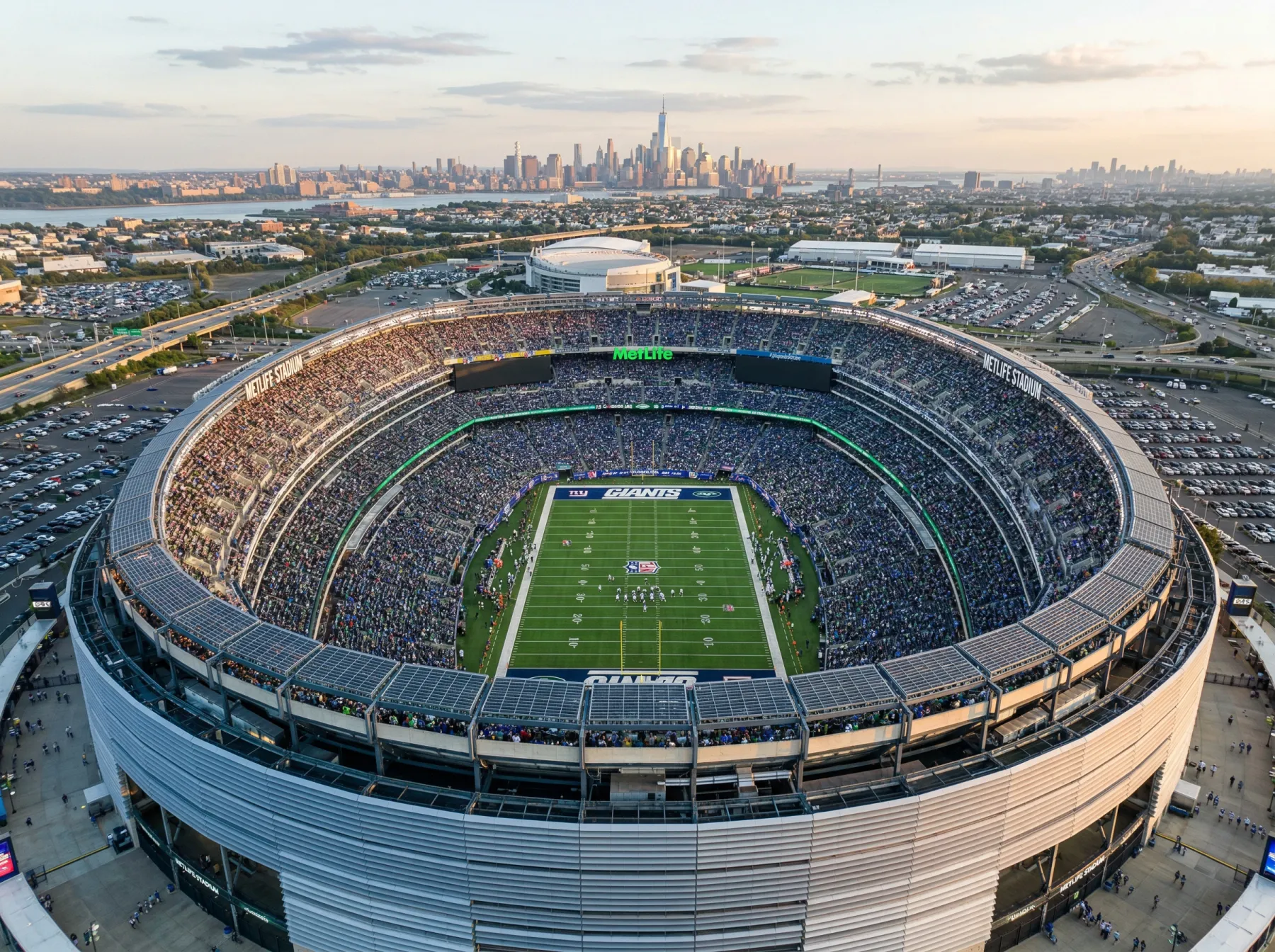
On 19 July, one of these 48 nations will lift the World Cup trophy at MetLife Stadium in New Jersey. The smart money points toward Brazil, Argentina, France, or England — nations whose squads, experience, and tournament pedigree justify their position at the top of betting markets. The value lies with Portugal, Germany, and the established second-tier contenders who possess the quality to beat anyone but lack the consistency or depth that separates pretenders from champions. The romance sits with Scotland, Morocco, and the first-time qualifiers who will remember this tournament for the rest of their lives regardless of results.
For nine years, I have covered major football tournaments from a betting perspective. This one feels different. The scale alone — 104 matches across 39 days — creates opportunities that did not exist in 32-team formats. The geographic spread across three countries and multiple time zones produces scheduling quirks that will advantage some teams and disadvantage others. The expanded knockout bracket introduces additional variance that benefits underdogs mathematically while creating more opportunities for casual punters to engage with meaningful matches.
The complete group-by-group analysis elsewhere on this site breaks down each group’s specific dynamics. What matters here is understanding the broader picture: 48 teams, 48 stories, 48 opportunities to find value where the market has mispriced the narrative. Brazil might win this tournament comfortably after 24 years of waiting. Or Haiti might score against them and create a moment that outlives any trophy. Both possibilities exist within this World Cup’s extraordinary scope.
I will be watching from Ireland, five hours ahead of the Eastern Time Zone matches and eight hours ahead of the West Coast fixtures. The late nights and early mornings are built into the experience for anyone following from this side of the Atlantic. Somewhere between the opening ceremony at the Azteca and the final whistle at MetLife, this tournament will reveal itself. These 48 teams will determine whether it becomes a story of expected triumph or unexpected upheaval. My job — and yours, if you are wagering on the outcome — is to anticipate which story unfolds before the market fully prices it in.
How many teams qualified from each confederation for World Cup 2026?
UEFA leads with 16 European nations. Africa (CAF) sends six teams. Asia (AFC) contributes eight qualifiers including host Australia. CONCACAF has six nations with three hosts guaranteed. South America (CONMEBOL) qualifies six nations. Oceania (OFC) has one guaranteed place through New Zealand.
Which teams are making their World Cup debut in 2026?
Several nations appear at the World Cup for the first time or after long absences: Curaçao, Jordan, and Uzbekistan make their tournament debuts. Haiti return after 52 years, Cape Verde and DR Congo also qualify after first-ever appearances in the expanded 48-team field.
Why did Ireland not qualify for World Cup 2026?
Ireland finished second in their UEFA qualifying group behind Portugal and entered the playoff pathway. In the Path D semi-final on 26 March 2026, Ireland lost to Czechia on penalties in Prague after a 2-2 draw in regular time, ending their qualification hopes.
See all qualified nations at World Cup Soccer IE.
